

Blog
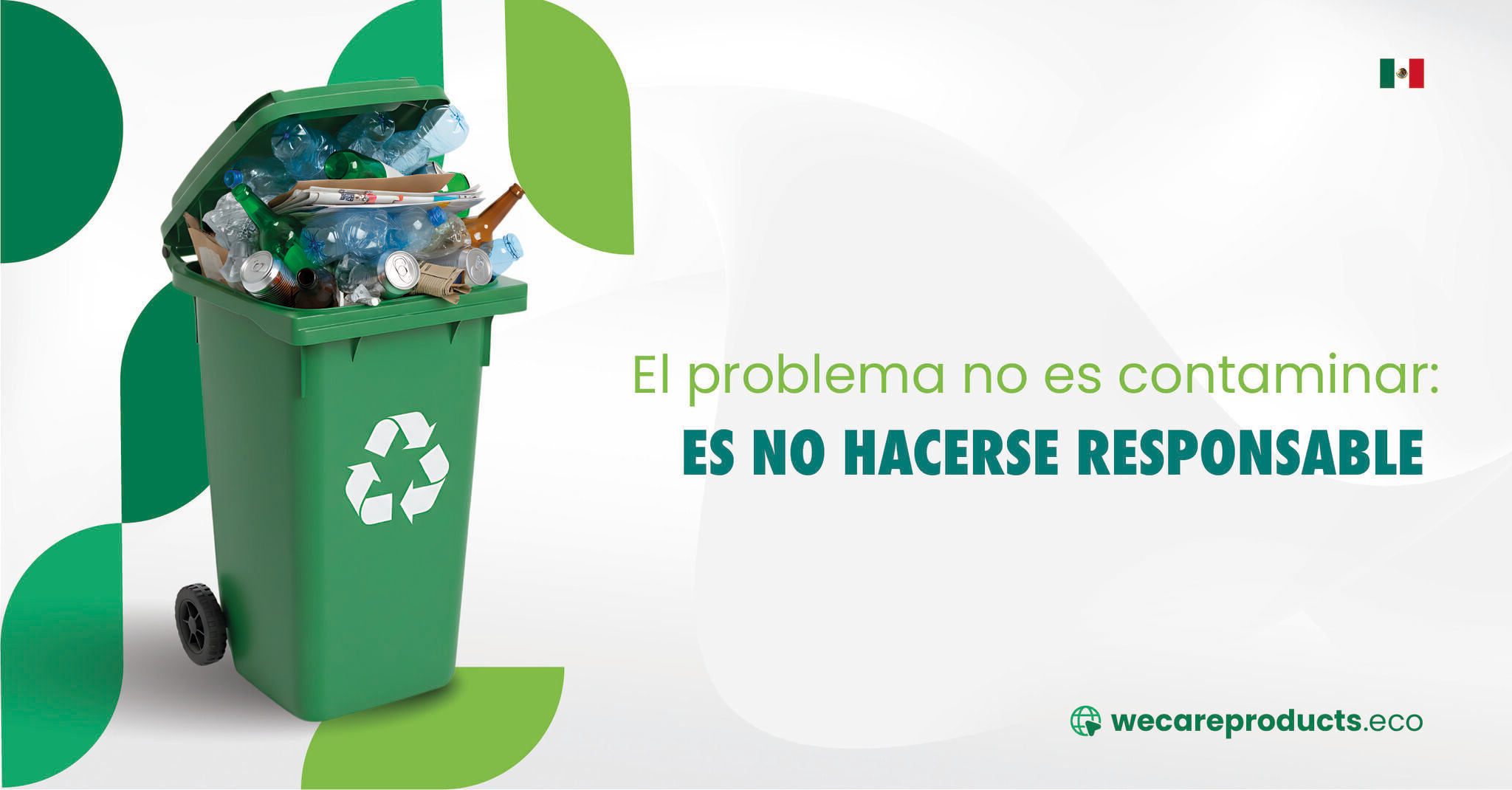
Durante años, la conversación ambiental en las empresas se ha construido sobre una pregunta equivocada: ¿cómo contaminar menos sin cambiar demasiado? 🤔
Esa lógica parte de una premisa cómoda: que el impacto es un efecto colateral inevitable y que basta con reducirlo, compensarlo o moverlo a otra parte para cumplir. El problema no es contaminar, toda actividad humana genera impacto. El problema es operar como si nadie fuera responsable de ese impacto. 🌏
La irresponsabilidad ambiental rara vez se manifiesta en decisiones extremas. Aparece en lo cotidiano: cuando se fragmenta la responsabilidad entre áreas, cuando se delega el problema al proveedor, cuando se asume que “alguien más” se hará cargo. Así, el impacto no desaparece; simplemente se diluye. 👥
Asumir responsabilidad implica algo más incómodo que mejorar indicadores. Implica aceptar que cada decisión empresarial —qué se produce, cómo se vende, qué se prioriza— tiene consecuencias que no terminan cuando se cierra el trimestre ni cuando se publica un reporte. 📊
Las empresas que maduran en este tema dejan de preguntarse cómo verse mejor y empiezan a preguntarse qué impacto están dispuestas a asumir conscientemente y cuál no. Esa diferencia cambia la conversación interna, redefine prioridades y expone incoherencias. 🌱
Detente un momento y haz este ejercicio: escribe en una sola frase de qué impacto tu empresa sí se hace responsable y de cuál no.
Si no puedes responderlo con claridad, ahí no hay un problema de comunicación, hay un problema de decisión.
Compartir en redes
Últimos blogs

Lo que nadie te dice sobre tirar la basura revuelta (y cómo solucionarlo)

NACDMX-010-AMBT-2019: Qué es y por qué es obligatoria para tu negocio en CDMX

1% for the Planet no es filantropía: es una postura política empresarial.
El problema no es contaminar: es no hacerse responsable.
El impacto invisible de los desechables en los ecosistemas. 🌍
Naturaleza y consumo: la desconexión moderna.
Plásticos de un solo uso en México: estado actual de regulación.
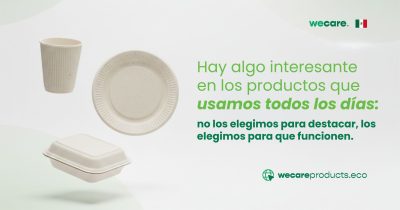
Hay algo interesante en los productos que usamos todos los días: no los elegimos para destacar, los elegimos para que funcionen.
El futuro del take-out cabe en un vaso compostable
Lo que las etiquetas callan: ¿Cómo identificar productos compostables 🌱?
¿Por qué las grandes cadenas están migrando a productos compostables?

Hola, soy Leafy, la voz verde de wecare y tu compañero en el descubrimiento de ideas, hábitos y soluciones que nos acercan cada día a un futuro más sostenible.

