

Blog
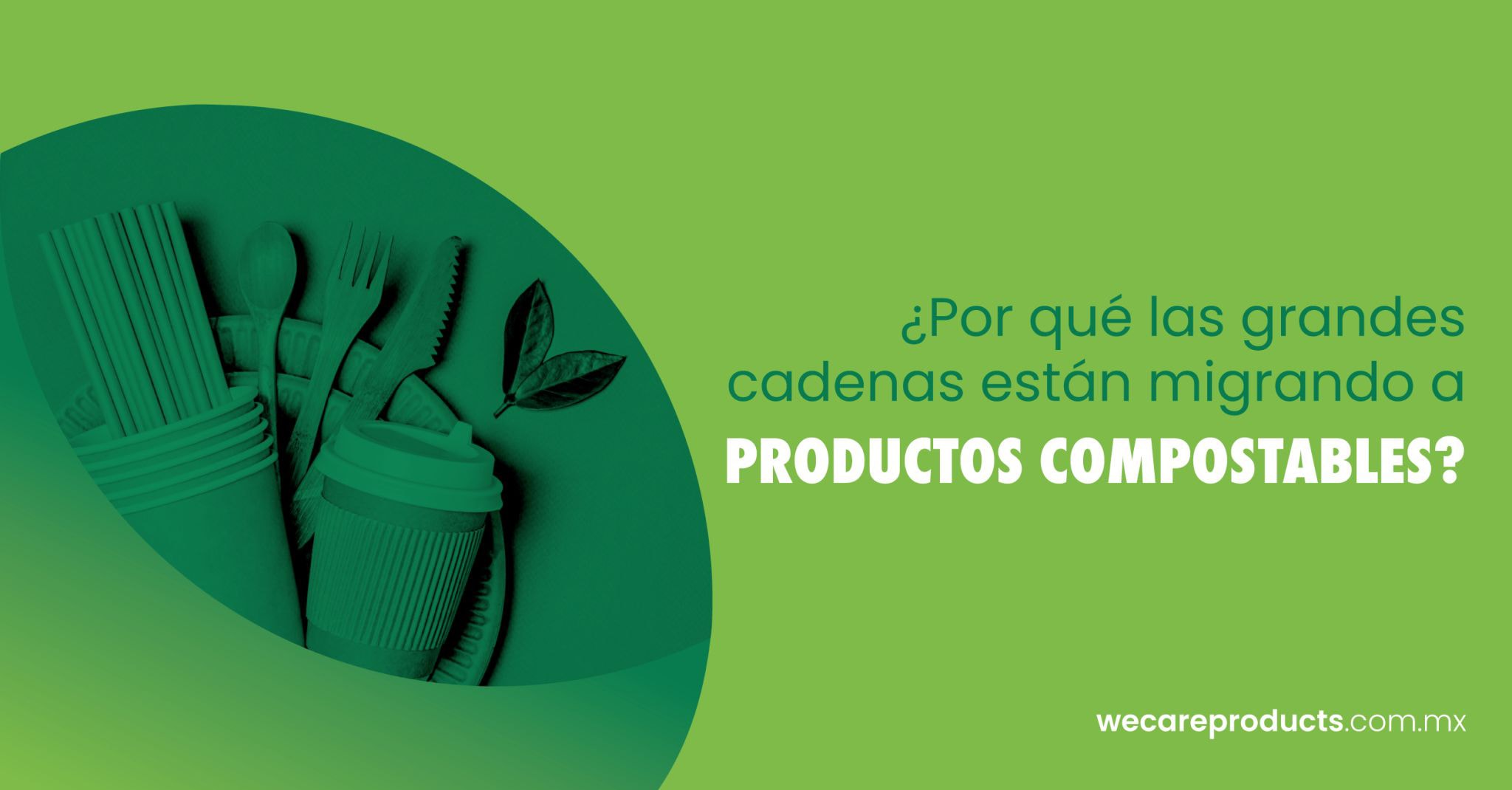
🌎 Una estrategia para destacar y cuidar el planeta.
En la última década, hemos visto cómo la sostenibilidad dejó de ser un “plus” y se convirtió en un criterio decisivo para consumidores, inversionistas y aliados estratégicos. Hoy, las grandes cadenas no migran a productos compostables solo por conciencia ambiental, sino porque su reputación y competitividad dependen de ello.
⚠️ El consumidor lo exige.
Un estudio publicado por The Wall Street Journal muestra que el 37% de los consumidores en EE. UU. y Canadá, y el 42% en Europa, han dejado de comprar marcas por usar empaques poco sostenibles. Esto significa que no migrar hacia alternativas compostables puede costar clientes.
♻️ La regulación ya está cambiando las reglas del juego.
Países como Reino Unido están implementando la “Extended Producer Responsibility”, que traslada a las empresas el costo de gestionar los residuos de sus empaques. Es cuestión de tiempo para que este tipo de normativas se expanda en otros mercados a nivel internacional.
⭐ El futuro es compostable.
Un análisis de TIPA-Corp revela que el empaquetado compostable será una de las innovaciones más adoptadas en la próxima década: 30% de adopción en 3 años y hasta 72% en 10 años. Las cadenas que se adelanten hoy, se posicionarán como líderes y referentes de la industria.
‼️ En conclusión:
Migrar a productos compostables no es solo una respuesta a la presión político social regulatoria. Es una estrategia de diferenciación que fortalece la reputación, atrae clientes conscientes y coloca a las empresas en el camino correcto hacia un futuro sostenible.
En wecare products acompañamos a empresas que buscan dar este paso con visión de largo plazo.
¿Tu compañía ya está considerando esta migración?
Compartir en redes
Últimos blogs
Lo que nadie te dice sobre tirar la basura revuelta (y cómo solucionarlo)

NACDMX-010-AMBT-2019: Qué es y por qué es obligatoria para tu negocio en CDMX

1% for the Planet no es filantropía: es una postura política empresarial.
El problema no es contaminar: es no hacerse responsable.
El impacto invisible de los desechables en los ecosistemas. 🌍
Naturaleza y consumo: la desconexión moderna.
Plásticos de un solo uso en México: estado actual de regulación.
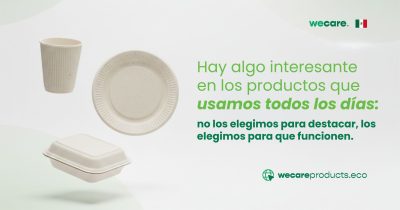
Hay algo interesante en los productos que usamos todos los días: no los elegimos para destacar, los elegimos para que funcionen.
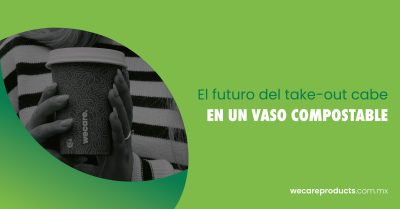
El futuro del take-out cabe en un vaso compostable
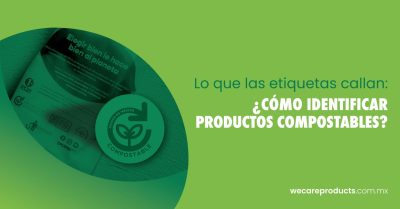
Lo que las etiquetas callan: ¿Cómo identificar productos compostables 🌱?
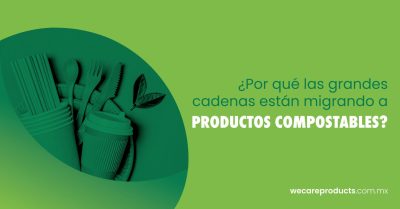
¿Por qué las grandes cadenas están migrando a productos compostables?

Hola, soy Leafy, la voz verde de wecare y tu compañero en el descubrimiento de ideas, hábitos y soluciones que nos acercan cada día a un futuro más sostenible.

