

Blog
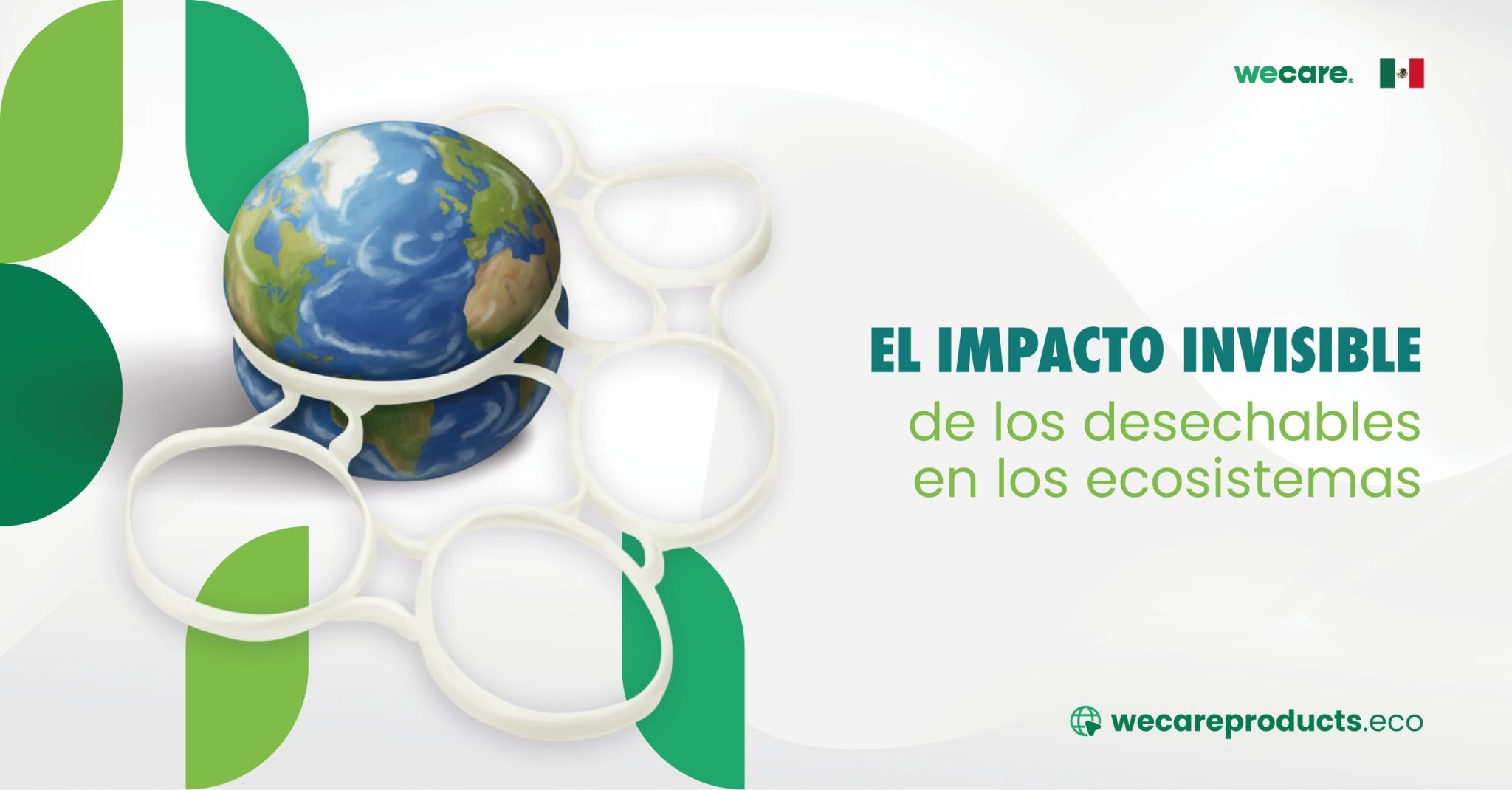
Un desechable cumple su función en minutos, pero su impacto puede permanecer durante años. La mayor parte de ese impacto no es visible en el punto de consumo; ocurre después, en rellenos sanitarios, en cuerpos de agua o en sistemas de disposición que no siempre están preparados para gestionarlo adecuadamente. 💧
Lo que no vemos es lo que más fácilmente dejamos de cuestionar. Por eso, cuando una empresa define qué materiales integrar a su operación, no está tomando únicamente una decisión práctica o financiera; está influyendo en un ciclo mucho más amplio que trasciende el momento de uso. 🔄
No se trata de alcanzar la perfección de inmediato, sino de avanzar con intención. Reducir impacto rara vez es un gesto espectacular. Con frecuencia es el resultado de decisiones constantes, ajustes progresivos y criterios mejor definidos en cada proceso de compra. ✅
Y cuando esas decisiones se sostienen en el tiempo, su efecto acumulado sí tiene la capacidad de transformar sistemas. 📈
Si tu empresa está revisando los materiales que pone en circulación, en wecare podemos acompañarte a dar ese siguiente paso con soluciones que equilibran desempeño operativo y responsabilidad ambiental. 🌱
Compartir en redes
Últimos blogs

Lo que nadie te dice sobre tirar la basura revuelta (y cómo solucionarlo)

NACDMX-010-AMBT-2019: Qué es y por qué es obligatoria para tu negocio en CDMX

1% for the Planet no es filantropía: es una postura política empresarial.
El problema no es contaminar: es no hacerse responsable.
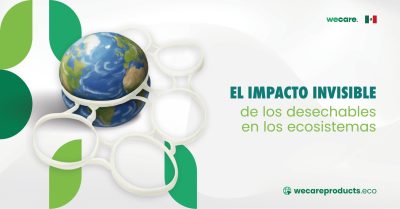
El impacto invisible de los desechables en los ecosistemas. 🌍
Naturaleza y consumo: la desconexión moderna.
Plásticos de un solo uso en México: estado actual de regulación.
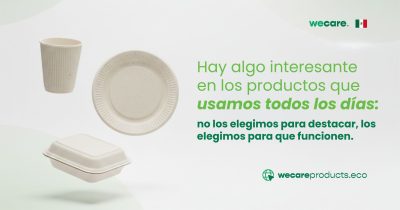
Hay algo interesante en los productos que usamos todos los días: no los elegimos para destacar, los elegimos para que funcionen.
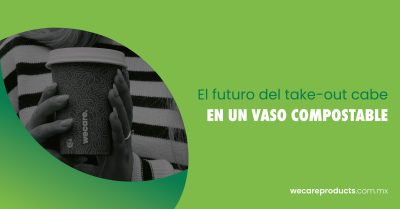
El futuro del take-out cabe en un vaso compostable
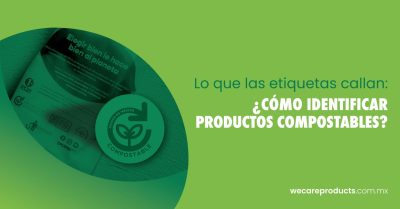
Lo que las etiquetas callan: ¿Cómo identificar productos compostables 🌱?

¿Por qué las grandes cadenas están migrando a productos compostables?

Hola, soy Leafy, la voz verde de wecare y tu compañero en el descubrimiento de ideas, hábitos y soluciones que nos acercan cada día a un futuro más sostenible.

